

You don’t hear hail coming quietly. It hits hard. Fast. Then it’s gone. But what it leaves behind? That’s where the real problem begins. If you own a home in Texas especially in storm-prone areas like Houston understanding the roof hail damage insurance claim Texas process isn’t optional it’s essential. I’ve seen homeowners shrug off a storm, only to discover interior leaks months later. By then, the claim is harder to prove. The scope gets smaller. The payout shrinks. And frustration builds.
This isn’t one of those “surface-level” guides. We’re going deep. You’ll learn how to identify real damage, document it correctly, challenge incomplete estimates, and position your claim for the outcome it should have had from day one. Let’s get into it.
Understanding How Hail Actually Damages a Roof
Hail is more than frozen rain. It’s impact energy. When hailstorms roll through regions like Houston, they often combine high winds with dense hailstones, increasing the force of impact and the likelihood of hidden roof damage.
When hailstones hit your roof, they transfer force into the material. That force either gets absorbed or it breaks something. Sometimes instantly. Sometimes gradually.
The variables matter:
- Size of the hailstone
- Wind speed during impact
- Angle of the roof slope
- Age of roofing materials
A newer roof may resist visible damage but still suffer internal weakening. An older one shows it faster.
Repeated impacts can gradually weaken roofing materials in a way similar to Material fatigue, where small stresses over time lead to structural failure even if no single hit seems severe.
Here’s what’s really happening during impact:
- Granules are knocked off
- The asphalt layer fractures
- Seal strips loosen
- Micro-cracks form
And once water gets in, everything changes.
How to Identify Hail Damage by Roof Type (Expert Breakdown)
Every roof reacts differently. Knowing what to look for gives you an edge in any hail damage on roof insurance claim.
Asphalt Shingles (Most Common in Texas)
This is where most claims are underpaid.
Look for:
- Random granule loss
- Dark impact spots
- Soft bruising
- Exposed matting
- Cracks or creases
Hail damage is random. Wear is uniform. That distinction matters.
Metal Roofing Systems
Metal dents. It doesn’t always fail immediately but it weakens.
Watch for:
- Panel dents
- Seam distortion
- Coating damage
- Loose fasteners
And remember damage near seams is rarely just cosmetic.
Tile Roofs (Clay & Concrete)
Strong, but brittle.
Look for:
- Hairline fractures
- Broken tiles
- Underlayment damage
The real problem is often hidden beneath the tile.
Flat Roofs / Low-Slope Systems
Damage here is subtle.
Common issues:
- Membrane punctures
- Seam separation
- Blistering
- Drainage disruption
Water pooling becomes your biggest threat.
Dealing with this right now? Houston Public Adjusters will review your claim for free and tell you plainly whether it was paid fairly.
Immediate Steps After a Hailstorm (What You Should Do First)
Act quickly but smartly.
- Stay safe
- Inspect from the ground
- Take photos
- Prevent further damage
- Call a professional
- Notify your insurer
This is where most people begin learning How to Document Hail Damage for an Insurance Claim, and doing it early makes a major difference.
How to Document Hail Damage for Your Insurance Claim
Documentation builds your case.
Photos That Work
- Wide shots
- Close-ups
- Chalk-marked impacts
Video Walkthrough
Narrate what you see. Add context.
Interior Checks
- Ceiling stains
- Attic moisture
- Insulation damage
These strengthen your roof hail damage insurance claim Texas.
Damage Log Example
| Date | Observation | Action |
|---|---|---|
| June 1 | Hailstorm | Photos taken |
| June 2 | Ceiling stain | Inspection scheduled |
The Insurance Claim Process (Step-by-Step)
- File claim
- Inspection
- Estimate
- Payment
But here’s the truth first estimates are often incomplete.
What Insurance Carriers Commonly Miss in Their Scope

And if you’ve researched Hail Damage Claim Supplements: What Carriers Miss in Their Scope, you know this is where money gets left behind.
Common misses:
- Partial vs full slope replacement
- Flashing and vents
- Underlayment
- Code upgrades
- Labor costs
The Supplement Process: How to Recover What Was Missed
A supplement corrects the estimate.
You’re presenting:
- New findings
- Supporting evidence
- Updated scope
Strong documentation wins here.
What to Do If Your Hail Claim Was Denied in Texas
If your claim gets denied, don’t panic. Understanding What to Do If Your Hail Claim Was Denied in Texas gives you a path forward.
Start with:
- Requesting a written explanation
- Getting a second inspection
- Comparing reports
Then:
- Submit new documentation
- Request reinspection
In competitive markets like Houston, where storms are frequent and claim volume is high, thorough documentation often makes the difference between denial and approval.
Why Hiring a Public Adjuster Changes the Outcome
Insurance adjusters work for the carrier. Public adjusters work for you. If you’ve explored Public Adjuster vs. Insurance Adjuster for Hail Claims in Texas, you already know the difference.
What They Do
- Detailed inspections
- Accurate scopes
- Negotiation
Real Results
Claims increase not because of exaggeration, but because of completeness. That’s the difference in a strong hail roof damage insurance claim.
Common Mistakes Homeowners Make
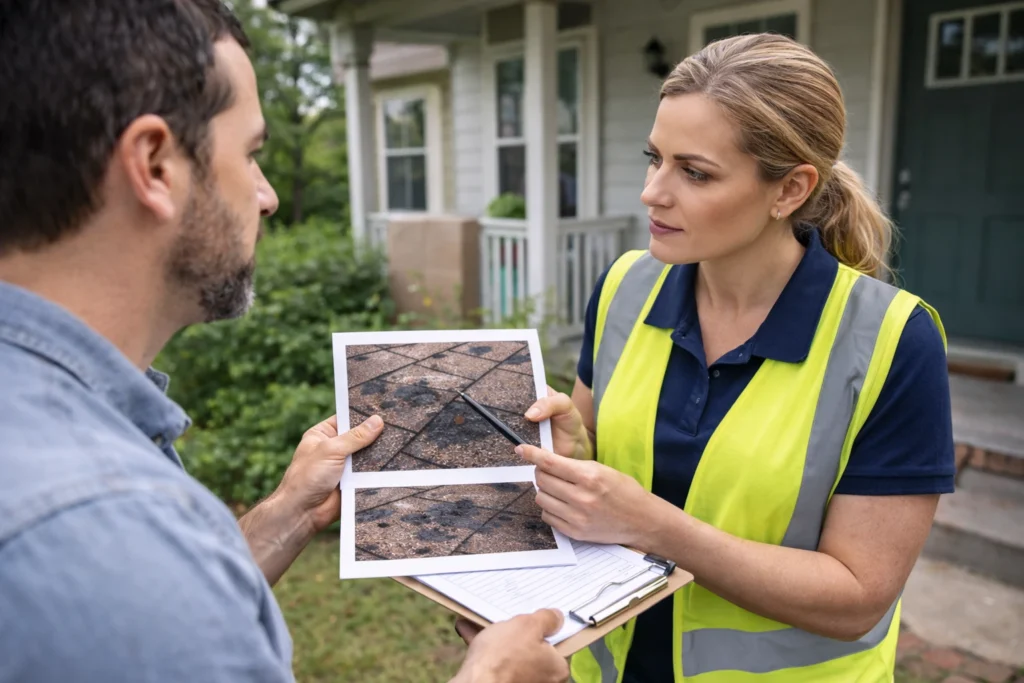
Avoid:
- Delaying claims
- Accepting first offers
- Weak documentation
- Hiring the wrong contractor
Each one costs you.
Pro Tips to Maximize Your Claim in Texas
- Get a second inspection
- Review estimates carefully
- Understand building codes
- Document everything
Final Thoughts: Protecting Your Roof Starts With Knowledge
Hail damage doesn’t always show up immediately. That’s what makes it dangerous. Understanding the roof hail damage insurance claim Texas process puts you in control especially if you live in high-risk areas like Houston, where storms can hit hard and fast. Inspect early. Document thoroughly. Question everything. Because if you don’t advocate for your claim no one else will.
FAQs
How can I tell if my roof has hail damage?It depends on the extent of damage and your policy, but widespread functional damage often qualifies for full replacement.
How long do I have to file a roof hail damage insurance claim in Texas?Most policies allow up to one year, but you should always check your specific policy and act as soon as possible.
What should I do immediately after a hailstorm?Document visible damage, take photos, and schedule a professional inspection before filing your claim.
Can hail damage be missed during the initial inspection?Yes, many types of damage especially underlayment or soft bruising are often overlooked in initial inspections.
What is a supplement in a hail damage insurance claim?A supplement is a request for additional payment after showing that the original estimate missed or undervalued damage.
What happens if my hail claim is denied?You can request a reinspection, provide new evidence, or work with a professional to reopen or appeal the claim.
Do metal roofs qualify for hail damage insurance claims?Yes, but coverage may depend on whether the damage is considered functional rather than cosmetic.
Should I hire a public adjuster for my hail damage claim?A public adjuster can help identify missed damage, document your claim properly, and negotiate a higher settlement.
How do I strengthen my roof hail damage insurance claim Texas?Thorough documentation, professional inspections, and reviewing the insurance estimate carefully can significantly improve your claim outcome.
This article is general information from a licensed Texas public adjuster, not legal advice. Every policy and loss is different — ask us to review yours.