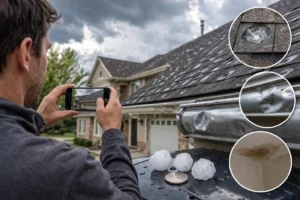

Hailstorms hit hard in Texas and when they do, the real battle often starts after the storm passes. If you’re dealing with roof damage, siding dents, or hidden structural issues, understanding Public Adjuster vs. Insurance Adjuster for Hail Claims in Texas isn’t optional it’s essential. The difference between the two can mean thousands of dollars in your pocket… or left behind.
I’ve seen it happen. A homeowner files a claim, trusts the process, and accepts the first offer. It feels like progress. It’s not always. Weeks later, repair estimates come in higher, contractors flag missed damage, and suddenly the payout doesn’t cover reality. That gap? It’s where knowledge and the right representation makes all the difference. Let’s break it down clearly, practically, and without filler. This is about helping you make a confident, informed decision.
What Is a Public Adjuster?
A public adjuster works for you. Not the insurer. Not a third party. You. Their role is to protect your financial interest during the insurance claim process. That means documenting everything, presenting it correctly, and negotiating to ensure your payout reflects the true scope of damage.
What They Actually Do
- Conduct a detailed, often multi-stage inspection
- Identify both visible and hidden hail damage
- Compile evidence-backed claim documentation
- Coordinate with contractors and specialists
- Negotiate directly with the insurance company
They approach your claim like a case that needs to be proven not just processed.
Why That Matters in Hail Claims
Hail damage can be deceptive. Small impacts can lead to long-term failure in roofing systems. If it’s not documented correctly from the start, it may never be covered.
Public adjusters slow things down just enough to get it right.
Licensing in Texas
Texas requires public adjusters to be licensed and regulated. This ensures:
- Ethical practices
- Transparent fee structures
- Accountability to state guidelines
That layer of oversight protects homeowners.
What Is an Insurance Adjuster?
An insurance adjuster represents the insurance company. That’s the baseline.
Their job is to inspect your property, assess damage, and determine how much the insurer should pay based on the policy.
Types of Insurance Adjusters
- Staff Adjusters – Direct employees of the insurance company
- Independent Adjusters – Contracted during high-demand periods
- CAT Adjusters – Deployed after large-scale events like hailstorms
Each plays a role in handling claims efficiently. But efficiency can come at a cost.
What They Focus On
- Completing inspections quickly
- Following internal estimating guidelines
- Closing claims within target timelines
They’re not your adversary but they’re not your advocate either.
Dealing with this right now? Houston Public Adjusters will review your claim for free and tell you plainly whether it was paid fairly.
Public Adjuster vs. Insurance Adjuster: Core Differences
This is where everything becomes clear. When comparing Public Adjuster vs. Insurance Adjuster for Hail Claims in Texas, the biggest difference comes down to alignment.
| Feature | Public Adjuster | Insurance Adjuster |
|---|---|---|
| Representation | Policyholder | Insurance company |
| Objective | Maximize claim payout | Control claim costs |
| Payment | % of settlement | Salary or contract |
| Claim Approach | Detailed and strategic | Standardized and fast |
| Negotiation | Yes, aggressively | Limited |
Two professionals. Two perspectives. Two very different outcomes.
How Hail Claims Work in Texas
The process seems simple on paper. It rarely plays out that way in real life.
Typical Claim Process
- You file a claim with your insurer
- An insurance adjuster is assigned
- Property inspection is scheduled
- Damage is evaluated
- Settlement offer is issued
At first glance, that feels straightforward. But here’s what often happens behind the scenes.
Where the Process Breaks Down
- Inspections may be rushed
- Damage can be underestimated
- Pricing models may not reflect real contractor costs
- Supplements are not proactively pursued
In high-activity regions like Houston, the volume of claims after a storm can overwhelm systems. That’s when details start slipping through the cracks.
The Hidden Complexity of Hail Damage

Hail damage isn’t always obvious. And that’s exactly why so many claims are underpaid.
A roof might look intact from the ground. Even a quick inspection might miss subtle but critical issues.
Types of Hail Damage
- Cosmetic Damage – Dents and surface marks
- Functional Damage – Compromised materials affecting performance
- Latent Damage – Problems that develop over time
The real risk? Functional and latent damage often go unnoticed.
Commonly Missed Areas
- Shingle bruising
- Flashing displacement
- Soft metals (vents, gutters, downspouts)
- Underlayment exposure
If these aren’t documented early, they may never be included in your claim.
Why Insurance Estimates Can Fall Short
Let’s be fair insurance adjusters follow systems. But systems aren’t perfect.
Common Limitations
- Time constraints during inspections
- Reliance on standardized pricing software
- Limited scope documentation
- Pressure to close claims efficiently
None of this is malicious. It’s structural.
But for homeowners, the impact is real: lower payouts and incomplete repairs.
Common Problems Homeowners Face
These are patterns. Not exceptions.
- Low initial offers that don’t reflect full damage
- Missed items in repair estimates
- Delayed follow-ups during peak claim periods
- Claim denials due to insufficient documentation
It’s frustrating. And it often leaves homeowners feeling stuck.
How a Public Adjuster Changes the Outcome
This is where the shift happens.
A public adjuster doesn’t just review your claim they rebuild it with precision.
1. Detailed Documentation
They go deeper:
- High-resolution damage photos
- Line-by-line repair estimates
- Contractor and material reports
- Code compliance considerations
2. Strategic Negotiation
They understand how insurers evaluate claims. More importantly, they know how to respond.
- Challenge low estimates
- Submit supplemental claims
- Reopen closed claims when justified
3. Measurable Financial Impact
Homeowners often see:
- Higher settlement amounts
- More complete repair coverage
- Reduced out-of-pocket costs
This is where Public Adjuster vs. Insurance Adjuster for Hail Claims in Texas becomes more than theory it becomes financial reality.
When Should You Hire a Public Adjuster?
Timing matters. The earlier, the better but even later stages can benefit.
Ideal Situations
- You received a low settlement offer
- Your claim was partially approved
- Your claim was denied
- Damage is extensive or unclear
- You’re overwhelmed managing the process
If any of these sound familiar, it’s worth exploring your options.
Cost vs. Value: Breaking It Down
Public adjusters typically charge a percentage of the final settlement. That’s the trade-off.
But the real question isn’t cost it’s value.
Example Comparison
| Scenario | Without Public Adjuster | With Public Adjuster |
|---|---|---|
| Initial Offer | $10,000 | — |
| Final Settlement | $10,000 | $25,000 |
| Adjuster Fee (10%) | — | $2,500 |
| Net Result | $10,000 | $22,500 |
Even after fees, the difference can be substantial.
Texas Laws and Policyholder Rights
Texas provides a framework to protect homeowners but you need to understand it.
Key Protections
- Public adjusters must be licensed
- Insurance companies must respond within deadlines
- Policyholders can dispute claim decisions
- You have the right to representation
Important Deadlines
- Filing timelines vary by policy
- Delays can impact eligibility
- Documentation should begin immediately
Knowing these rules gives you leverage.
Houston-Specific Considerations
Let’s zoom in.
Houston homeowners face unique challenges when dealing with hail claims.
Local Factors
- Sudden, high-impact storms
- High humidity affecting roofing materials
- Large-scale claim surges after severe weather
In Houston, adjusters may handle dozens of claims at once. That can lead to:
- Shorter inspections
- Less detailed reports
- Missed damage
That’s why many homeowners in Houston turn to public adjusters to ensure nothing gets overlooked.
Pros and Cons Breakdown
Public Adjuster Pros
- Higher potential settlements
- Professional claim management
- Reduced stress and time investment
Public Adjuster Cons
- Service fees
- Requires due diligence when hiring
Insurance Adjuster Pros
- No direct cost to homeowner
- Quick initial response
Insurance Adjuster Cons
- Potential conflict of interest
- Less detailed evaluations
How to Choose the Right Public Adjuster
Choosing the right professional is critical.
What to Look For
- Valid Texas license
- Proven experience with hail claims
- Strong client reviews
- Clear and transparent fees
- Consistent communication
Questions to Ask
- How many hail claims have you handled?
- What’s your typical settlement increase?
- How do you document damage?
- How do you handle disputes?
The answers will tell you everything you need to know.
Advanced Strategies That Maximize Your Claim

If you want better results, you need to go beyond the basics.
Layered Documentation Approach
Combine:
- Photos from multiple angles
- Contractor assessments
- Material specifications
- Code compliance notes
Technical Precision Matters
In complex claims, explaining material failure or damage progression can strengthen your position. In fact, applying structured reasoning similar to frameworks used in disciplines like Epistemology can help present your claim in a more logical, evidence-based way. While it may sound abstract, the goal is simple: make your claim harder to dispute.
This is also where professionals separate themselves from basic claim handling. Strong documentation paired with accurate estimating especially when applying concepts like Hail Damage Claim Supplements: What Carriers Miss in Their Scope Your Xactimate Expertise can uncover overlooked items, justify higher repair costs, and significantly improve your final settlement.
Timing Your Claim Actions
- Document immediately after the storm
- Schedule inspections quickly
- Avoid delays that weaken your case
Mistakes to Avoid
These are costly and common.
- Accepting the first offer without review
- Failing to document damage thoroughly
- Waiting too long to file a claim
- Assuming the insurance estimate is complete
Avoiding these mistakes can significantly improve your outcome.
Final Verdict: Which One Is Better?
It depends on your situation but patterns are clear. If your claim is simple and fully covered, working with an insurance adjuster may be enough. But if there’s complexity, disagreement, or significant damage? A public adjuster often delivers stronger results. That’s the reality of Public Adjuster vs. Insurance Adjuster for Hail Claims in Texas.
Conclusion
Hail claims aren’t just about damage they’re about decisions. Who represents you matters. How your claim is handled matters even more. The difference between a public adjuster and an insurance adjuster isn’t just technical it’s financial, strategic, and personal.
If you’re dealing with hail damage especially in Houston take your time. Evaluate your options. Ask the right questions. And don’t rush into a decision. Because once you accept a settlement, the opportunity to recover more is often gone. Make the right move the first time.
FAQs
What is the main difference between a public adjuster and an insurance adjuster?A public adjuster works for you to maximize your claim, while an insurance adjuster works for the insurer to evaluate and control claim costs.
Do I have to hire a public adjuster for a hail claim in Texas?No, it’s optional, but hiring one can help if your claim is complex, undervalued, or denied.
How do public adjusters get paid?They typically charge a percentage of your final insurance settlement, agreed upon before starting.
Can a public adjuster increase my hail claim payout?In many cases, yes through better documentation and negotiation, they often uncover missed damage and justify higher payouts.
Why do insurance adjusters sometimes miss hail damage?They often handle high claim volumes and follow standardized processes, which can lead to overlooked or underestimated damage.
When should I contact a public adjuster after a hailstorm?Ideally right after the storm or if you receive a low settlement offer from your insurance company.
Are public adjusters licensed in Texas?Yes, all public adjusters must be licensed and regulated by the state of Texas.
Can I reopen a hail claim after accepting a settlement?It’s difficult and often not possible, which is why reviewing your claim thoroughly before accepting is critical.
How long do hail claims take to settle in Texas?It varies, but most claims take a few weeks to a few months depending on complexity and negotiations.
Is hiring a public adjuster worth it for smaller claims?For smaller or straightforward claims, it may not be necessary, but for larger or disputed claims, it can be highly beneficial.
This article is general information from a licensed Texas public adjuster, not legal advice. Every policy and loss is different — ask us to review yours.