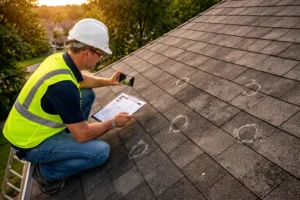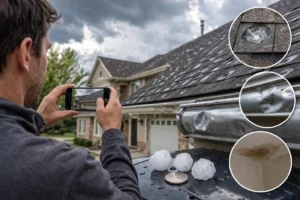

A denial letter after a storm can feel like a dead end. It isn’t. If your roof hail damage insurance claim Texas was denied, you still have options real, actionable options that can turn a frustrating “no” into a justified payout. I’ve seen it firsthand. Homeowners assume the insurance company has the final say. They don’t.
This guide breaks everything down. Clearly. Step by step. You’ll learn how to identify hail damage by roof type, what to do immediately after a storm, how to document your claim properly, and most importantly how to fight back after a denial. If you’re in Houston, this matters even more. Hail claims here are often disputed, underpaid, or outright denied due to inconsistent storm patterns. Let’s get into it.
Understanding Why Hail Claims Get Denied in Texas
Before you fix the problem, you need to understand it. Insurance companies deny claims for specific reasons. On paper, those reasons sound valid. In practice, they’re often incomplete or based on limited inspections.
Common Reasons for Denial
- “No storm-related damage found”
- “Damage caused by wear and tear”
- “Improper installation or maintenance”
- “Claim filed too late”
- “Insufficient proof of damage”
Here’s the issue. Many initial inspections are rushed. Some adjusters spend less than an hour evaluating a roof. That’s rarely enough time to properly assess hail damage on roof insurance claim cases, especially when damage is subtle. In Houston, storms can produce uneven hail patterns. One side of a roof may show clear impact damage while another looks untouched. That inconsistency often leads insurers to dismiss the claim entirely. But denial doesn’t mean you’re wrong. It usually means the inspection was incomplete.
How to Identify Hail Damage by Roof Type (Expert Breakdown)
Different materials react differently to hail. Knowing what to look for gives you an edge especially when disputing a denied roof hail damage insurance claim Texas.
Asphalt Shingle Roofs
This is the most common residential roofing system in Texas.
Signs of hail damage:
- Random circular impact marks
- Soft spots (bruising) when pressed
- Granule loss exposing darker substrate
- Shiny or dark patches scattered across slopes
What insurers often say:
- “Granule loss is normal aging”
- “Marks are from foot traffic”
The difference is pattern. Aging is consistent. Hail damage is random and directional.
Metal Roofs
Metal roofs don’t crack they dent.
Signs of hail damage:
- Visible dents across panels
- Paint chipping or coating damage
- Small impact depressions near seams
Insurance pushback:
- “Cosmetic damage only”
But here’s the truth. Once protective coating is compromised, corrosion can begin. That’s not cosmetic. That’s functional deterioration.
Tile Roofs (Clay & Concrete)
Tile roofs are durable but brittle.
Signs of hail damage:
- Clean cracks or fractures
- Broken tile edges
- Dislodged tiles
What gets missed:
- Underlayment damage beneath intact tiles
This is critical. Many adjusters don’t lift tiles to inspect underneath, which leads to underpaid hail roof damage insurance claims.
Dealing with this right now? Houston Public Adjusters will review your claim for free and tell you plainly whether it was paid fairly.
Flat & Commercial Roofing Systems
Flat roofs require a different approach.
Common damage indicators:
- Membrane punctures
- Blistering
- Seam separation
- Water pooling issues
These problems often show up later. That delay is frequently used against homeowners during claims.
Immediate Steps to Take After a Hailstorm
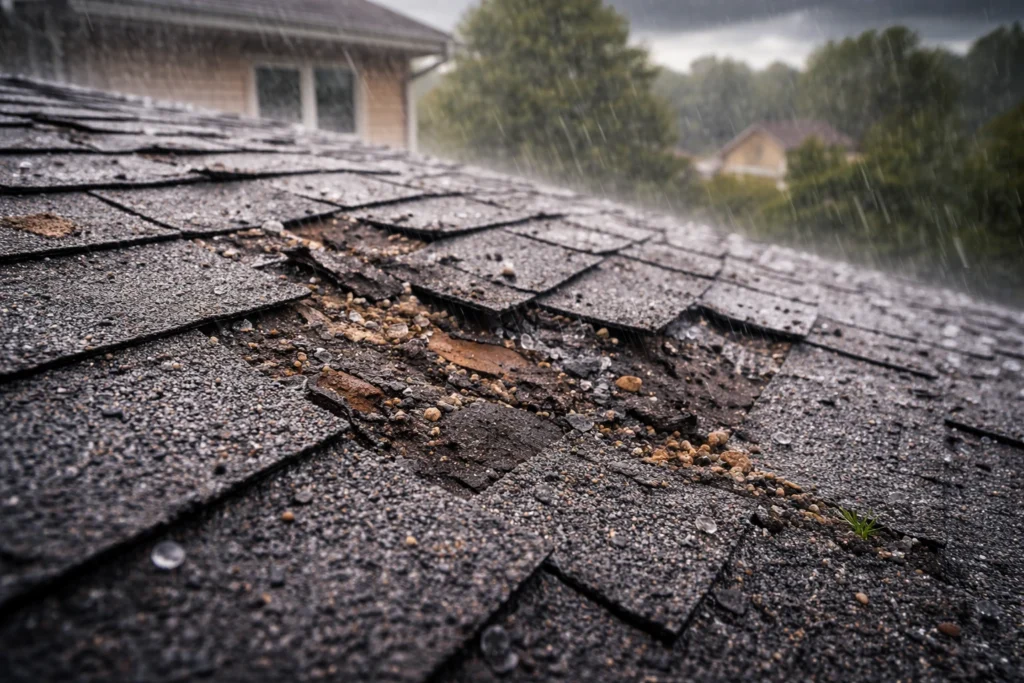
Speed matters. Documentation fades quickly. Damage gets harder to prove over time.
What You Should Do Immediately
- Inspect your property safely from ground level
- Photograph visible damage right away
- Check gutters, vents, and siding for impact marks
- Record the date and time of the storm
- Schedule a professional inspection within a few days
What You Should Avoid
- Waiting weeks or months to act
- Ignoring minor damage
- Relying on a single inspection
In Houston, multiple storms can hit within a short period. If you delay, insurers may argue your damage came from a different event.
How to Properly Document Hail Damage for Your Claim
This is where claims are won or lost and where most homeowners fall short. If you’re searching for How to Document Hail Damage for an Insurance Claim, this section gives you exactly what insurers expect to see when reviewing your case. Strong documentation turns a weak claim into a compelling one almost like building layers of evidence similar to the structured complexity seen in cellular automata, where small inputs create larger, undeniable patterns over time.
Photo & Video Documentation
Capture everything:
- Close-up shots of impact marks
- Wide-angle views of entire roof sections
- Damage to gutters, flashing, and vents
- Interior water damage or ceiling stains
Pro tip: Take photos from multiple angles. Lighting matters. Shadows can reveal damage that’s otherwise invisible.
Written Damage Reports

Create a simple report that includes:
- Date of storm
- Type of damage observed
- Roof material
- Estimated affected areas
Keep it clear. Keep it factual.
Supporting Evidence
Strengthen your hail damage on roof insurance claim with:
- Local weather reports confirming hail size
- Contractor or inspector assessments
- Maintenance records
Organizing Your Claim File
Structure matters.
Create a folder with:
- Photos and videos
- Inspection reports
- Insurance correspondence
- Repair estimates
A well-organized file makes it harder for insurers to deny or delay your roof hail damage insurance claim Texas.
FAQs
Why was my roof hail damage insurance claim Texas denied?Most denials happen when insurers classify the damage as wear and tear or claim there’s not enough storm-related evidence.
Can I reopen a denied hail damage on roof insurance claim?Yes, you can request a reinspection or submit new documentation to reopen and strengthen your claim.
What is the first step after a hail claim denial?Carefully review the denial letter and get an independent inspection to verify the damage.
How do I prove hail roof damage insurance coverage applies to my roof?You’ll need clear photos, inspection reports, and weather data confirming hail occurred in your area.
Is all hail damage visible right away?No, some damage especially to underlayment or flat roofs may take time to appear.
What is a supplement in a roof hail damage insurance claim Texas?A supplement is a request for additional payment when new or missed damage is identified after the initial claim.
Should I hire a public adjuster after a claim denial?Yes, a public adjuster can help document damage properly and negotiate with your insurer for a higher payout.
How long do I have to dispute a denied hail claim in Texas?Timeframes vary by policy, but acting quickly is crucial to avoid losing your right to dispute.
Can insurers deny claims based on cosmetic damage only?Yes, but if the damage affects the roof’s performance or lifespan, it may still qualify for coverage.
Will filing a hail damage claim increase my insurance premium?It depends on your insurer and claim history, but weather-related claims typically have less impact than other types.
This article is general information from a licensed Texas public adjuster, not legal advice. Every policy and loss is different — ask us to review yours.