
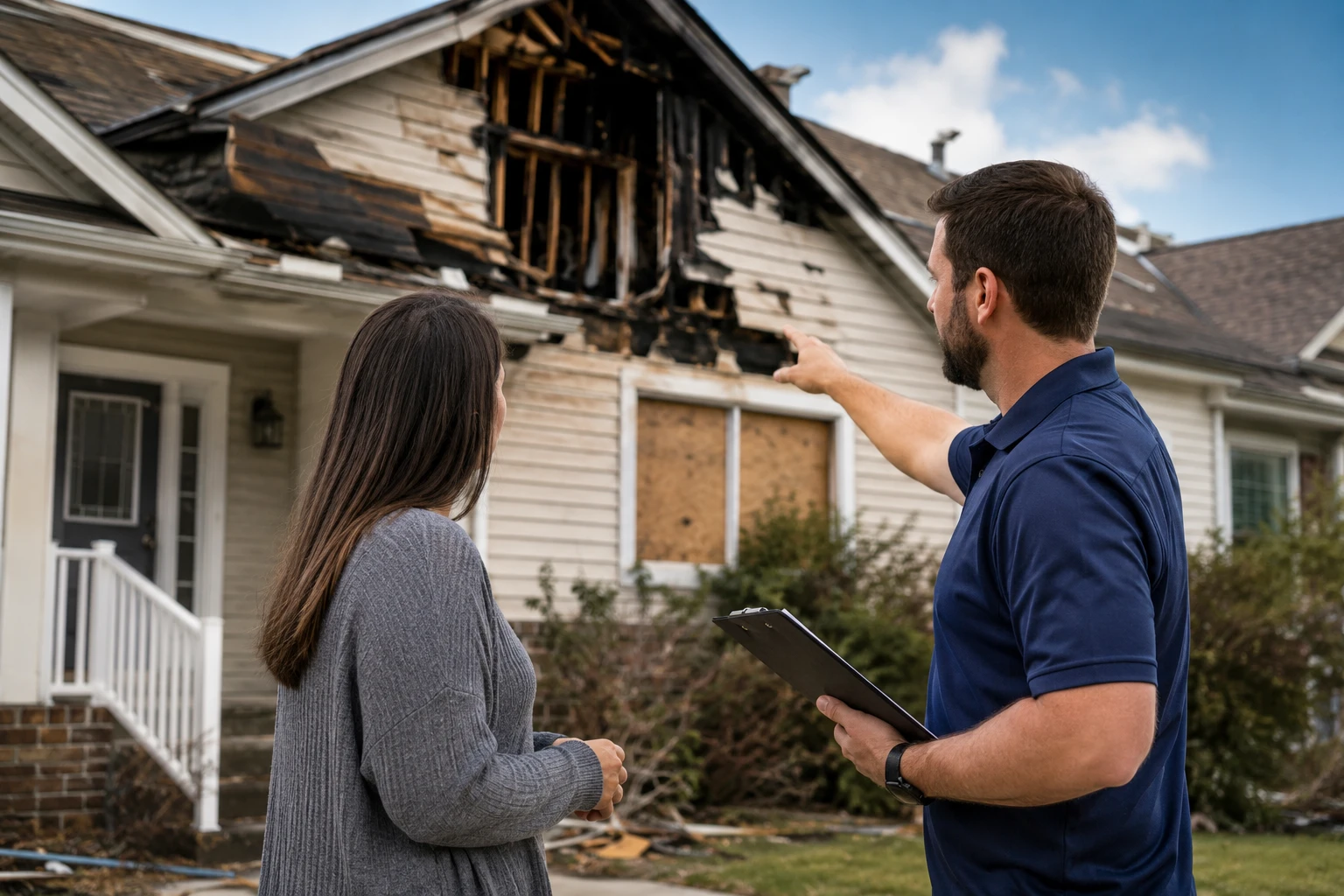
When a house suffers damage from a storm, fire, or burst pipe, homeowners quickly discover that filing an insurance claim is not as simple as making a phone call. Paperwork piles up. Damage estimates vary. Insurance policies suddenly read like legal contracts. That’s when many people begin searching for answers to a common question: what is public adjuster?
A public adjuster is a licensed professional who represents policyholders during insurance claims. Unlike insurance company adjusters who work for the insurer, a public adjuster works for you—the homeowner or business owner. Their job is to inspect the damage, prepare the claim, document the losses, and negotiate with the insurance company to help secure a fair settlement.
Think of them as your advocate inside a complex system. When property damage happens, emotions run high and time is limited. Having a professional who understands insurance language, valuation methods, and negotiation strategies can make the process far smoother.
In this guide, we’ll break down what is public adjuster, how they work, when you should consider hiring one, and why they often play a crucial role in large insurance claims.
Understanding What Is Public Adjuster
At its core, the answer to what is public adjuster is straightforward. A public adjuster is a state-licensed insurance professional who represents the policyholder during the claims process.
Their role revolves around one goal: helping property owners receive the compensation they’re entitled to under their insurance policy.
Here’s what sets them apart.
Insurance claims typically involve three types of adjusters:
- Insurance company adjusters
- Independent adjusters hired by insurance companies
- Public adjusters hired by policyholders
The first two work for insurers. Public adjusters work for you.
Because of this distinction, public adjusters approach claims differently. Instead of focusing on minimizing payout costs for the insurance company, they focus on documenting all losses and ensuring the policyholder’s claim is fully supported.
Many states require public adjusters to be licensed, pass exams, and follow strict ethical guidelines. This helps ensure they operate professionally and within regulatory standards.
How Public Adjusters Work During an Insurance Claim
Understanding what is public adjuster also requires understanding the steps they take during a claim. Their work goes far beyond a simple property inspection.
A skilled public adjuster handles the process from start to finish.
Initial Consultation
The first step usually involves a consultation with the property owner.
During this meeting, the adjuster will:
- Review the insurance policy
- Discuss the damage event
- Evaluate whether a claim is viable
- Outline how they can assist with the claim process
Insurance policies can be dense and technical. A public adjuster helps translate those details into practical next steps.
Property Inspection
Next comes a detailed inspection of the damaged property.
This process may include:
- Photographing structural damage
- Measuring damaged areas
- Identifying hidden losses
- Evaluating building materials and repairs needed
Accurate inspections are critical because insurance settlements depend heavily on documented damage.
Claim Documentation
After the inspection, the adjuster prepares the claim documentation.
This typically includes:
- Repair estimates
- Itemized loss reports
- Supporting evidence such as photographs
- Contractor estimates
- Inventory lists for damaged belongings
Claims supported with thorough documentation often move more smoothly through the insurance process.
Negotiating With the Insurance Company
Once the claim package is submitted, negotiation begins.
Insurance companies may send their own adjuster to inspect the property. Settlement offers may differ from the homeowner’s expectations. That’s where the public adjuster steps in.
They communicate directly with the insurer, present documentation, and negotiate for a fair settlement.
Settlement Resolution
After negotiations conclude, the claim is finalized and the insurance company issues payment.
At this stage, the policyholder can begin repairs or rebuilding.
Dealing with this right now? Houston Public Adjusters will review your claim for free and tell you plainly whether it was paid fairly.
Types of Claims Public Adjusters Handle
Another important aspect of what is public adjuster is understanding the types of claims they commonly assist with.
Public adjusters typically work on property damage claims, including both residential and commercial losses.
Fire Damage Claims
Fire damage claims can be complex and expensive. Losses may include:
- Structural damage
- Smoke damage
- Soot contamination
- Destroyed personal property
Public adjusters help ensure all affected areas and belongings are properly documented.
Water Damage Claims
Water damage can come from many sources.
Common examples include:
- Burst pipes
- Appliance leaks
- Plumbing failures
- Roof leaks
Water damage often spreads into hidden spaces behind walls and flooring, making accurate assessments critical.
Storm and Hurricane Damage
In cities like Houston, severe weather events can cause significant property losses.
Typical storm claims involve:
- Wind damage
- Roof destruction
- Broken windows
- Exterior structural damage
Storm claims can affect entire neighborhoods, making professional claim management valuable.
Mold and Secondary Damage
Water intrusion often leads to mold growth and structural weakening. These secondary damages may be covered under insurance policies, but they must be carefully documented.
Commercial Property Claims
Businesses also rely on public adjusters when property damage interrupts operations.
Commercial claims may include:
- Building damage
- Equipment losses
- Inventory damage
- Business interruption claims
These cases often involve large financial stakes and complex documentation.
Public Adjuster vs Insurance Adjuster
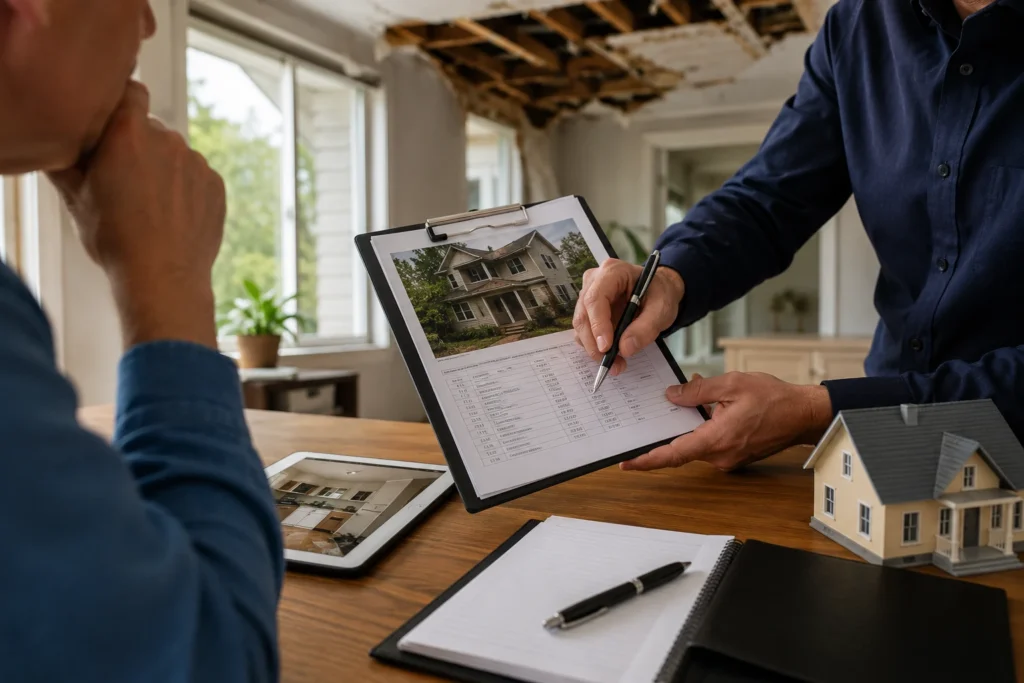
One of the most common questions homeowners ask when researching what is public adjuster is how they differ from insurance adjusters.
Here is a simple comparison.
| Feature | Public Adjuster | Insurance Company Adjuster |
| Who hires them | Homeowner or business owner | Insurance company |
| Who they represent | Policyholder | Insurance company |
| Compensation | Percentage of settlement | Salary from insurer |
| Primary goal | Maximize policyholder claim | Control claim payout |
This difference in representation is the reason many homeowners seek independent help during large claims.
Why Homeowners Hire Public Adjusters
Insurance claims can become complicated quickly. That complexity is one of the biggest reasons homeowners look into what is public adjuster and consider hiring one.
Here are some common reasons property owners seek professional help.
Large or Complex Damage
Major disasters often involve extensive damage.
When repair costs reach tens or hundreds of thousands of dollars, professional claim representation becomes more important.
Disputed Claims
Sometimes insurers offer settlements that homeowners believe are too low.
Public adjusters can review the claim and provide an independent damage assessment.
Time Constraints
Managing a claim takes time. Lots of it.
Documentation, phone calls, inspections, paperwork—it adds up quickly. Many homeowners simply don’t have the time to manage it effectively.
Policy Interpretation
Insurance policies are written in technical language.
Public adjusters help translate those details into clear explanations so homeowners understand what coverage applies.
Benefits of Hiring a Public Adjuster
When evaluating what is public adjuster, it helps to understand the advantages they provide during the claims process.
Here are some of the most valuable benefits.
Professional Damage Assessment
Public adjusters know how to identify damage that might otherwise be overlooked.
Hidden structural issues or secondary damage can significantly affect the final settlement amount.
Stronger Documentation
Insurance claims succeed or fail based on documentation.
Public adjusters prepare detailed reports that support the claim from multiple angles.
Negotiation Experience
Insurance companies handle thousands of claims every year.
Public adjusters bring negotiation experience that helps balance the process.
Reduced Stress
Handling a property loss can be emotionally draining.
Delegating the claim process to a professional allows homeowners to focus on recovery and repairs.
When Should You Hire a Public Adjuster?
Timing matters.
Homeowners researching what is public adjuster often wonder when the right moment is to hire one.
Here are situations where their help can be especially valuable:
- After major property damage
- When the claim value is large
- When an insurance claim is denied
- When the settlement offer seems low
- When the claims process becomes confusing
Early involvement often leads to better documentation and a more organized claim process.
How Public Adjusters Get Paid
A common concern for homeowners researching what is public adjuster is how these professionals are compensated.
Most public adjusters work on a contingency fee basis.
This means they receive a percentage of the final insurance settlement.
Typical structures look like this:
| Claim Settlement | Example Fee (10%) |
| $50,000 | $5,000 |
| $100,000 | $10,000 |
| $200,000 | $20,000 |
Because payment depends on the claim outcome, public adjusters are motivated to pursue fair settlements.
Licensing and Regulations
Public adjusters must follow licensing requirements set by individual states.
These requirements often include:
- Passing licensing exams
- Completing continuing education
- Following ethical guidelines
- Maintaining professional insurance
Regulation helps ensure that policyholders receive professional and responsible representation.
Insurance itself is a highly regulated industry connected to the broader concept of risk management, which is a discipline focused on identifying and controlling financial risks.
Understanding risk is central to how insurance policies and claims function.
Common Misconceptions About Public Adjusters
Despite their important role, many misconceptions still surround the topic of what is public adjuster.
Let’s clear up a few.
Misconception: They Are the Same as Insurance Adjusters
They are not.
Insurance adjusters represent insurers. Public adjusters represent policyholders.
Misconception: Only Large Claims Need Them
While they are most common in major claims, public adjusters can assist with many types of property losses.
Misconception: They Slow Down Claims
In many cases, the opposite happens.
Well-prepared claims often move faster through the insurance process.
Questions to Ask Before Hiring a Public Adjuster
Before choosing a professional to represent your claim, it’s important to ask a few key questions.
Consider asking:
- Are you licensed in this state?
- How many years of experience do you have?
- What types of claims do you specialize in?
- How are your fees structured?
- Can you provide client references?
These questions help ensure you’re working with a qualified professional.
How the Claims Process Works With a Public Adjuster

Here is a simplified overview of how claims typically unfold when a public adjuster is involved.
- Initial consultation and policy review
- Property inspection and damage documentation
- Claim preparation and submission
- Negotiation with the insurance company
- Settlement agreement
- Claim payout
Each step builds toward a well-supported claim outcome.
Signs You Might Need a Public Adjuster
Still wondering if professional help is necessary?
These warning signs may indicate it’s time to consult a public adjuster:
- Insurance paperwork feels overwhelming
- Damage appears extensive
- Settlement offers seem unusually low
- Repairs require major construction work
- Claim negotiations become difficult
Seeking guidance early often prevents costly mistakes later.
Choosing the Right Public Adjuster
Not all adjusters offer the same level of expertise.
When selecting a professional, consider these factors:
- Verify licensing and credentials
- Check reviews and references
- Look for experience with similar claims
- Ensure the contract is transparent
- Choose someone who communicates clearly
A knowledgeable adjuster can make a significant difference in the outcome of a claim.
Final Thoughts
So, what is public adjuster?
It’s a licensed professional who helps property owners navigate insurance claims, document damage, and negotiate fair settlements with insurers. When major property losses occur, these professionals provide expertise, organization, and representation that many homeowners simply don’t have on their own.
Insurance claims can feel overwhelming. That’s the reality. But the right professional guidance can turn a complicated process into a manageable one.
And when your home, business, or property is on the line, having someone in your corner makes all the difference.
FAQs
What is a public adjuster?A public adjuster is a licensed professional who represents policyholders during insurance claims and helps document damages, prepare the claim, and negotiate with the insurance company.
How is a public adjuster different from an insurance adjuster?A public adjuster works for the homeowner or business owner, while an insurance company adjuster works for the insurer and represents the company’s interests.
When should I hire a public adjuster?You should consider hiring one after major property damage, when a claim is denied, or when the insurance settlement offer appears too low.
How do public adjusters get paid?Most public adjusters work on a contingency fee basis, meaning they receive a percentage of the final insurance settlement after the claim is resolved.
Can a public adjuster help with denied insurance claims?Yes, public adjusters can review denied claims, reassess the damage, and help present additional documentation to support a claim dispute.
What types of claims do public adjusters handle?They typically assist with property damage claims such as fire damage, water damage, storm damage, hurricane damage, and commercial property losses.
Do public adjusters increase insurance settlements?While results vary, public adjusters often help identify overlooked damage and strengthen documentation, which can lead to more accurate claim settlements.
Are public adjusters licensed?Yes, most states require public adjusters to be licensed and follow regulations designed to protect policyholders during the claims process.
Can businesses hire public adjusters too?Yes, commercial property owners frequently hire public adjusters to help manage complex claims involving building damage, equipment losses, or business interruption.
Is hiring a public adjuster required for an insurance claim?No, hiring a public adjuster is optional, but many homeowners choose to work with one when claims become complicated or involve significant damage.
This article is general information from a licensed Texas public adjuster, not legal advice. Every policy and loss is different — ask us to review yours.